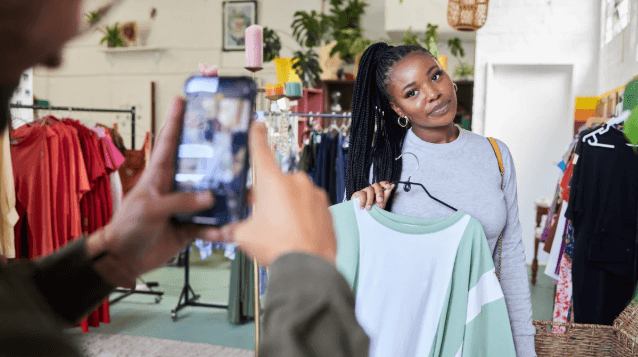
Fashion Influencers and Their Impact

Fashion influencers act as cultural gatekeepers, translating runway aesthetics into accessible choices while shaping what people wear and how fashion is evaluated. They forecast microtrends through curated feeds and market tempo, turning attention into rapid adoption. Their authority hinges on trust and transparent narratives, yet credibility wavers with undisclosed partnerships. Measuring impact reveals complex signals across platforms and economics. The tension between authenticity and monetization keeps the conversation unresolved, inviting deeper scrutiny into what actually drives influence.
How Influencers Shape Fashion Trends and Consumers’ Choices
Influencers increasingly act as cultural gatekeepers, translating runway aesthetics into accessible choices and shaping not only what people wear but how they evaluate fashion. The analysis centers on influencer psychology and its leverage over perception, appetite, and conformity. Microtrends forecasting reveals a system where volatility is monetized, pushing followers toward rapid adoption, minimizing dissent, and redefining individual style within a curated, market-driven tempo.
Trust, Authenticity, and the New Brand Narratives
Trust and authenticity have become central currencies in the fashion influencer ecosystem, recalibrating how brands narrate value beyond glossy campaigns. The landscape shows a shift toward transparent storytelling, where trust authenticity underpins brand narratives, not merely aesthetics.
Influencer impact hinges on credible disclosures, shaping consumer behavior, and pressuring brands to align promises with lived experiences, redefining value, accountability, and freedom in fashion discourse.
Measuring Influence: Metrics, Platforms, and Economic Impact
Measuring influence in fashion involves distilling often disparate signals into actionable insight: metrics, platforms, and the resulting economic ripples. The analysis weighs Data metrics, Platform ecosystems, and Brand partnerships against visibility, conversion, and risk, revealing how attention translates into buyability. It critiques dependency on scale, highlighting nuanced effects on compensation, governance, and the broader Economic impact within evolving market ecosystems.
From Content to Commerce: Collaborations, Sustainability, and Community
From Content to Commerce: Collaborations, Sustainability, and Community examines how creative output migrates from mere reach to tangible value, scrutinizing the mechanisms that turn partnerships into revenue while shaping ethical norms.
The discussion reveals collaboration ethics as a guardrail for brand-fluid alliances, while circular design reframes product lifecycles, challenging wasteful norms and inviting communities to participate in durable, transparent, and value-driven fashion ecosystems.
See also: The Future of Tech Ethics
Frequently Asked Questions
How Do Influencers Influence Fast Fashion Purchase Cycles?
Influencer purchasing accelerates fast fashion cycles by shaping perceived desirability, triggering impulse buys and rapid turnover. This mechanism normalizes disposability, compressing product lifespans; audiences chase novelty, while brands exploit algorithmic visibility to sustain perpetual demand and short lifecycles.
What Makes a Brand’s Collaboration Feel Genuinely Authentic?
Authentic partnerships arise when a brand’s collaboration reflects shared values and credible expertise, not marketing theatrics; brand storytelling must integrate the collaboration’s core purpose, revealing meaningful narratives rather than superficial hype. Such alignment sustains trust and creative freedom.
Do Micro-Influencers Offer Equal ROI to Top Creators?
Yes, micro influencers often deliver comparable roi to top creators on niche scales, though not universally; roi comparison hinges on authenticity, engagement quality, and audience fit, while anachronistically pairing lanterns with laptops underscores selective value in targeted campaigns.
How Do Platforms Regulate Transparency in Sponsorships?
Platform transparency has evolved, though gaps persist; sponsorship disclosure remains uneven. Regulators push clearer guidelines, while platforms audit disclosures and penalize noncompliance, prompting creators to adapt. Overall, increased scrutiny supports accountability, yet freedom-seeking audiences demand consistent enforcement.
What’s the Long-Term Impact on Consumer Self-Perception?
The long-term impact on consumer self-perception is nuanced; self perception impacts behavior and identity formation, shaping a fluctuating, mediated self-image. Over time, exposure may stabilize, yet incentives and platform design influence how freely individuals navigate long term self image.
Conclusion
In closing, fashion figures forge formidable futures, fusing flair with fiscal folds. Yet fads flourish from finely tuned feeds, forging fast, fickle loyalties. Trust trails behind transparent tactics, and authentic narratives become the new necessities for lasting resonance. Metrics mold meaning, marketplaces magnify momentum, and collaborations calibrate brands’ cultural capital. Ultimately, sustainable stewardship stands as the sober specter: shaping smarter systems, steadier sourcing, and sincere storytelling that sustains style beyond superficial shocks.